Breaking barriers in crop innovation (3 part series)
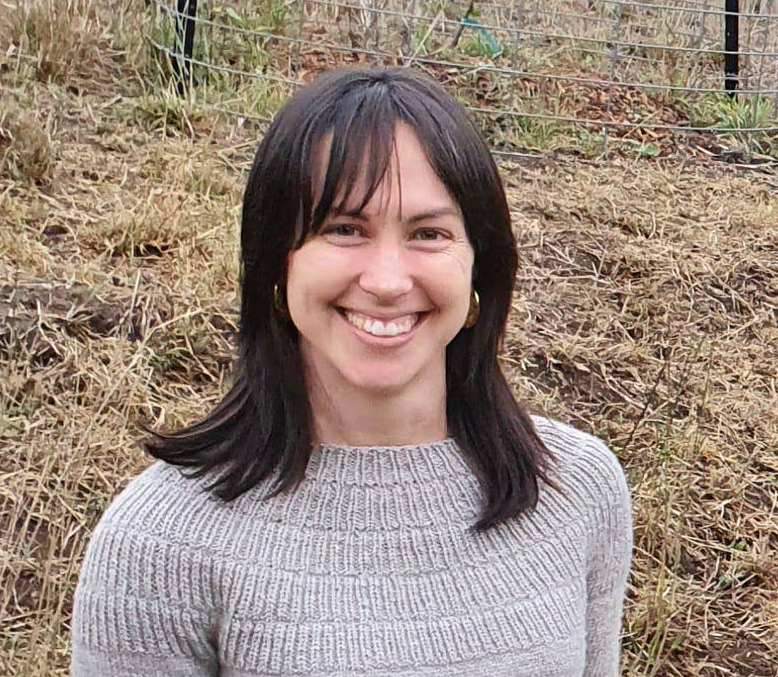
At the beginning of my career, I became fascinated with plants because I wanted to contribute to sustainability in agriculture. After a PhD in plant physiology and molecular biology, I started my career developing novel crops using biotechnology. It was fun and meaningful work, but I became more and more drawn to commercialization and how that could increase the impact of the science.
I’ve always kept my love of plants, though, so I’ve continued to follow new developments in crop innovation with enthusiasm. With advances in AI and genome editing powering a growing number of agtech startups, I’ve taken the opportunity to explore this space in more detail.
I’m sharing my current thinking and hypotheses in this three-part series:
- Four Paths to Climate-Proof Crops (And Why We're Focusing on Genetics)
- The New Playbook for Crop Genetics
- Conditions for Success in Crop Innovation
This is a complex space with many players, from entrepreneurs and investors to farmers, channels, and consumers. I’ve written these articles from the specific perspective of a scientist-turned-early-stage-investor in agrifood tech startups. So while I hope you find these articles interesting, I want to acknowledge the many viewpoints and different contributions being made.
In my opinion, the opportunity ahead is significant, but we all have a part to play to fully realize it. For founders, this means designing and building businesses for value capture from the beginning, not just relying on breakthrough science. For policymakers, it means providing timely and clear regulatory frameworks so that innovation can reach farmers in time to help them adapt to increasing climate impacts. For investors, it means building capital stacks and collaborations to support companies through the longer timelines required to prove technology and commercial models.
As investors and ecosystem participants at Tenacious Ventures, we believe the path forward requires more than capital. It demands cooperation across the value chain, from seed companies to food brands, while keeping farmers firmly involved. The companies that succeed won’t be just selling technology, they’ll be building the infrastructure for resilient food systems.
Acknowledgements
I want to thank the people whose discussions have helped shape these articles. This list includes but is not limited to Mariano Alvarez, Bonnie Brayton, Bertus Jacobs, John Chambers, Robert Galbraith, and the many startups I’ve spoken with.
All opinions as well as any omissions or mistakes are my own - feel free to reach out and help me correct them.
Want more content like this? Sign up for our weekly insights.