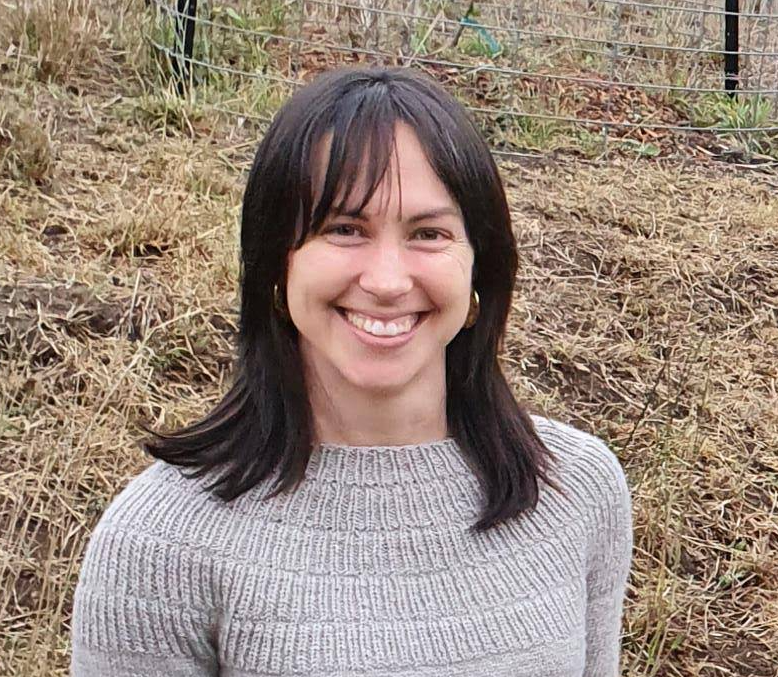
Why agriculture needs to think at landscape scale, with Ebony Greaves-Zwinggi
The cost of making agriculture more sustainable often ends up sitting with farmers. But what if it was shared more equitably along the supply chain?
Landscape Enterprise Networks (LENs) is an approach that’s gaining traction in Europe and is now coming to Australia, bringing together businesses, supply chain partners, and other organizations to co-invest in on-farm measures that build resilience across entire landscapes.
In this episode, Tenacious’ Dr. Maddie Mitchell speaks with Ebony Greaves-Zwinggi, Founder and CEO of SEAOAK Consulting, about bringing the model to Australia and what it could mean for farmers.
Developed in the UK, LENs is not another carbon or biodiversity credit market. Instead, it provides a way for organizations that depend on healthy landscapes to pool funding and pay farmers to implement practical sustainability measures.
Ebony and Maddie explore how the model works, why it needs to be adapted for Australian farming systems, and how it could make sustainability initiatives more accessible to small and medium-sized farms. Ebony also shares her thoughts on the role of technology in creating tangible commercial value for producers, and why a landscape-scale approach could help build more resilient agricultural supply chains.
Maddie and Ebony discuss:
- Why the cost, risk, and responsibility of agricultural sustainability need to be shared more equitably across the supply chain.
- How LENs works, including its three funding pathways for farmers, to ensure farmers are rewarded for good practices.
- Why farmers are paid for implementing practices, rather than being exposed to the risk of whether a particular environmental outcome is achieved.
- The role of Landcare and natural resource management groups in adapting LENS for Australian agriculture
- The opportunity to use agtech for more affordable MRV, from methane measurement to virtual fencing and environmental DNA.
- How better data integration could help turn sustainability credentials into commercial benefits such as market access or insurance incentives.
- The She-Oak Environmental Leadership Program and its ambition to create career pathways for rural women.
Useful Links:
- Agtech so what: The Three Fears of Farm Data
- Why Good Agtech Doesn't Always Get Adopted, with Chad Godsey
- Australia's first Landscape Enterprise Network announced in NSW Hunter Region
- Regen Ag Series #3: Why major food companies are supporting regen ag with Jay Watson of General Mills
- Farm Sustainability & Traceability | SEAOAK
- Fera Science
- Low Carbon Landscapes Grant | NSW Government
- Science Based Targets Initiative
- LENs expands beyond Europe with first network in Australia - 3Keel
- Regenerating Together Framework — SAI Platform
- GHG Protocol
- Australian Beef Sustainability Framework
The information in this post is not investment advice or a recommendation to invest. It is general information only and does not take into account your investment objectives, financial situation or needs. Before making an investment decision you should seek financial advice from a professional financial adviser. Whilst we believe the information is correct, we provide no warranty of accuracy, reliability or completeness.
Want more content like this? Sign up for our weekly insights.